Showing posts with label Cascade Pest Control. Show all posts

Wednesday, March 22, 2017

Hantavirus hits King county's Eastside, greater Seattle.

HANTAVIRUS HITS King County's Eastside, greater Seattle. One dead in Issaquah and another hospitalized from Redmond, Washington from mouse-carried hantavirous disease.

Seattle has quickly gained prominence with it's very high Rat population--greatly due to the moderate climate as well as a growing population that has filled rural areas with homes and tied all cities together.  Now we have news from the outlying areas where mice are more prominent. 

Cascade technicians have long known that rats are predominant in the city and suburban areas, however, wherever neighborhoods abut natural areas mice are more common.  Along homes that skirt rural and wilderness areas mice are rampant. But finding the killer strain of hantavirus in Washington is new, and a particular concern located this close to a major metropolitan area. 

In the past hantavirus outbreaks that resulted in deaths most often occurred in rural areas or small towns. Hantavirus is can be deadly and is spread by various types of wild mice, often known as "field mice" or "dear mice." 

---- CAll Cascade today at 1(989)989-8979 ----
Cascade is ready to provide mouse and rodent inspections, control and protection ----
Original Article Q13FOX
Cascade Pest Control Google+ Page

Tuesday, December 8, 2015

Rat Found in Toilet - Redmond (Greater Seattle) Good Job Girl's!!!

Thank you Gil for bringing in this video taken by some gals--roommates--in the Redmond area, a suburb of Seattle. Yes, rats do come up from the sewer. And, yes, rats do come right up into our toilets where we might be about to sit! Cascade Pest Control provides rat control in Seattle, Redmond, Bellevue, Everett and beyond. Call Cascade for your serious rat and rodent pest control needs. 1-888-989-8979

Friday, November 20, 2015

Meet Bryant Myles.... what?

Bryant Myles, Cascade Technician extraordinaire, is seen here modeling his new winter ensemble, complete with tail.
Wait a minute. Mr Myles you are out of uniform! We want everyone to know that this is not acceptable dress code for meeting clients. Wait again...something's happening. OH,okay, here he is in uniform...I guess he just 'had a moment."
Seriously, Bryant is making headway mastering his skills in pest control, rat and rodent control in particular. Way to go Bryant! Thanks for your contribution to the Cascade Team!

Tuesday, November 17, 2015

Cascade's "Seattle Rat" BEWARE!

Technicians please post comments!! Humor courtesy of Casacde Pest Control. Www.cascadepest.com/rodent-overview/

Rats Come up through Toilets...Cascade Humor version

Controlling rats can be a tough and dirty job. And, yes, real rats do swim up from the sewer into peoples toilets. Here's our way to have a little fun with it, have some humor about what we do. Cascade's Rat In Toilet video ENJOY!

Monday, September 28, 2015

Another Case of Plague - This Time in New Mexico

Another case of bubonic plague was confirmed in New Mexico, the fourth confirmed in the U.S. The patient is a 73-year old woman who, after hospitalization, is now recovering at home. Bubonic plague--or the plague organism-- is carried by fleas which, in turn, are carried about by rats. So rats are then the principle "vectors" of plague. And, as it stands, the frequency of plague cases are rare. Rats may rarely carry plague, but they do very frequently carry other disease organisms. One of the most frequent causes "Rat Bite Fever." Videos about rat-bite fever. For more information about rodent- or rat-carried diseases see related playlist on our Youtube channel: Cascade Pest Control. For information on rat control, rat inspections, rodent control, rodent inspections, rodent-proofing and exclusion from www.CascadePest.com . Rodent control is important to our health and well-being because rats contaminate our food and/or living space, spread diseases, cause damage such as by compressing insulation or gnawing on electrical wires. Rats live in cities, both urban and suburban areas...wherever there is enough human population to help them by with garbage, food (often pet food and bird seed or compost...but sometimes our actual food from household kitchens to stores to warehouses.) We also supply rats (rattus novegicus and rattus rattus) shelter with the cavities of our walls, attics and crawlspaces and our insulation for their nest material. Rat control should be maintained by professionals and an ongoing maintenance program designed to protect your home from future invasion. The rat populations is maintained throughout greater Seattle, from areas up north like Arlingtion down through Everett, Lynnwood, and down through Seattle north-to-south. The resident rodent population resides in other homes, greenbelts, saltwater beaches and so on. Besides a continuous rat population "reservoir" down through Seattle, there are more or less continuous pockets of rats living clear around the north end of lake Washington and in the communities of Kenmore, Bothell, Woodinville, Kirkland and down through Bellevue. Mercer Island is not immune. It has a high incidence of rats, many of which take refuge in the many greenbelts. This pattern of fairly continuous pockets of rat population "networks" also runs down through Maple Valley to Renton, SeaTac (including the airport), Burien, Des Moines and Kent. A few decades ago rats weren't found on the Sammamish plateau. But now, with the many housing developments the former population of field mice are rapidly being displaced by rats, found often now in Snoqualmie and North Bend.

Friday, September 18, 2015

Cascade's YouTube Channel - Rats in Restuarants

We have compiled about 17 videos from all over the world which depict rats or rodents in restaurants. It's pretty graphic at times but shows us the real threat to our food supply...mostly in terms of contamination and the spread of disease. What's quite something are the reactions of people when they realize there are rats in a restaurant...perhaps a restaurant they frequent...up to now. Rats are a huge problem in the greater Seattle area, which includes Bellevue, Kirkland, Redmond, Everett and so on. And the rat population is strong. Seattle has ranked both 7th and 1st most rat-infested large city in the U.S.! There rats can show up anywhere, whether a vacant lot, a restaurant or our homes. Other rodent problems we encounter are house mice and deer, or field, mice. So, take a look at our YouTube channel, "Cascade Pest Control," where you will find both entertaining video playlists as well as educational ones. For more information about rats and their control see our Rodent page within our website.

Friday, August 7, 2015

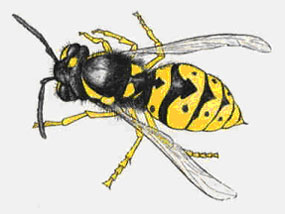
Seattle summer means more wasps are about

Summer is still going strong here in the Greater Seattle area, and after another mild winter, this means we'll be seeing large populations of rodents, spiders, and wasps among other nuisance pests.

One of the more notable jobs we handled this week was a call for a wasp nest near a playground at a condo association (COA) in Bothell. Take a look at the size and location of this nest!
 

Wasps build their nests on bushes or trees, on fences, in attics and crawlspaces, in the ground and even in wall voids. Here in this case we see a large nest established very close to the playground area of a condo association. We see so many of these, in fact, that we've made a short video showing examples of wasp nests.

For further reading, UC Davis has a very good site on bees and wasps


Tuesday, August 4, 2015

Seattle is #1....but not in the way you might think.

Seattle leads the country in contact with rodents, according to a recent study released by the US Census Bureau. The agency conducts a biennial accounting of rat, mouse and cockroach sightings across the country. The most recent numbers, collected in 2013, were released in June 2015, and show Seattle is a rat paradise!

Amazingly, this graph suggests that Seattle has more homes with rodent infestation that New York City, the alleged city of 2 million rats, as does Austin, Miami, Tampa and San Antonio.

The same report shows Seattle scoring in the lower-ranking cities with mice and cockroaches. View the Bloomberg article here, and contact Cascade Pest Control TODAY if you have a rodent issue!

Friday, January 23, 2015

Chicago Transit Authority to Sterilize Rats for Control

The Chicago Transit Authority plans to test new technology that would make female and male rats infertile, the Chicago Tribune reported. A pilot program is expected to start in the spring, though the CTA is still working out details including negotiating the price with the bait maker and deciding where the traps will be placed, CTA spokeswoman Tammy Chase said. click here to read original Chicago Tribune article.http://www.chicagotribune.com/news/redeye-cta-to-put-rats-on-birth-control-20141222-story.html

Wednesday, September 24, 2014

Influx of Rodents on Mercer Island

While we at Cascade always keep customer details confidential, we do have a responsibility to inform our clients--and potential clients--when there trends occur. There are several cities, or areas (groups of cities) where we have received an increase in calls for rat infestations. And our Cascade technicians have also gotten calls from our established clients for renewed rodent activity. One of the predominant locations where we've had such an increase is Mercer Island. Mercer Island is known for it's fine homes and an abundance of tree and waterfront. It is perhaps the amount of waterfront that lends itself to rat infestation on Mercer Island. Also, Mercer Island has a number of ravines and "green belts"--wooded areas--that can harbor rodents. Add all that to the very basic fact that rodents follow residential development as these rodents--old-world rats and mice--are commensal, meaning they "live with humans," and Mercer Island is set up for rat problems.
Our experience is that residents of Mercer Island are very cooperative, and they are usually understanding that homes with complex roof structures and other features can sometimes create vulnerable spots on a home where rodents can gain access. The larger and more complex the home, the more challenging the rat control issue can be. Cascade Pest Control is aware of the issue and ready to respond. We are devoted to responding to and resolving tough rat infestation problems as they crop up on Mercer Island.

Wednesday, September 17, 2014

Wasps Around your Home -new Cascade video

We are happy to announce our new video on wasps. It can be viewed on our website or on vimeo. The new video takes the homeowner on a tour showing all the places in or around a home that Yelow Jackets might nest. The video also discusses the hazards of wasps and how they can sometimes break through sheetrock into the home's ilving space! Yellow Jacket gound nests, tree or bush branch and ground nests occur in or near yards. Wall void, eave and attic wasp nests occur on or in the house structure. If you suspect a Yellow Jacket nest contact Cascade immediately at 1-888-989-8979

Sunday, September 7, 2014

Cascade's Video Approach Headlines Industry Newsletter

Cascade Pest Control was honored by the leading industry newsletter, Pest Control Technology. This is an honor as PCT is the nations leading source for pest control news and information. Pest Control Technology found that Cascade's efforts (thank you, Scott Bouwens) were exemplary in our approach to help the public understand the problem of rodent infestations, especially rats. The video demonstrates how many points there are where rats can enter a house structure and what professional pest control can do to control rats, including exclusion efforts. Technician performing rodent inspection for rats and/or mice.

Tuesday, September 2, 2014

Rats, Mice: What is a Rodent?

We throw around these terms but a "rodent" is a particular animal that seems to have plagued humanity for eons. But what is a rodent? Rodents are mammals, so they are covered by hair, give birth to living young, the young are nourished on milk secreted by mammary glands, and besides molars with only an upper and lower pair of enlarged chisel-like teeth, rodents lack canine teeth. Rats and mice have 4 toed front feet and 5-toed hind feet. They both have skinny, almost naked tails. What's amazing is that rodents 2 pair of incisor teeth are enameled on the front only, the working of the upper pair against the lower ones wears down the large upper ones resulting in a sharpened edge. Rodents have the highest mammalian reproductive capacity. That's just a start when it comes to what constitutes "rodents" and what they can do. Call Cascade Pest Control is you suspect you have any problems with rats or mice...today. Rodents may eat or contaminate up to 20% of the world's human food supply!

Sunday, August 3, 2014

Animated Video on Rat Infestation and Control

Cascade Pest Control is delighted to announce that we have released a great animation that depicts rodent problems in a home in a way that is both thorough and entertaining. View the video. The video dramatizes rat infestation and consequences accurately to educate the public. Rats are an important pest in the greater Seattle area, including The Eastside, Bellevue, Redmond, Everett and beyond. The video, while short, demonstrates the "how" and "why" of rat and rodent control, including assessment, initial control, exclusion and periodic service.

Cascade Pest Control's Rodent Service from No Pests on Vimeo.

Spiders Can Kill - Fortunately Brown Recluse Not Normally Found in Seattle Area

At least two people have died in the US in 2014 from the bites of brown recluse spiders. One was reported from Mulberry Conty, Florida, where a 62-year-old man, Ronald Reese, was renovating a home and got bitten on the back of his neck. His father, 89, reported that Ron thought it would heal on it's own but that, instead, it "rotted to the vertbrae." Brown Recluse spider bites often do heal, but because they break down red blood cells and can become systemic they should always be checked by medical professionals. Obviously, some can cause death. The most recent death attributed to brown recluse spiders occured in Michigan--a rare case for that area. The woman was 58 years old and was bitten on her foot. Similarly, she rsisted seeing a doctor until it was too late. Usually, a brown recluse bite on a foot woiuldn't be fatal but the bite ocurred directly into a blood vessel, allowing the venum to ciculate into the blood stream. By the time an ambulence came she was non-responsive. She died shortly thereafter. While we have no resident brown recluse spider population in the Puget Sound region, they can conceivably be shipped from the south central part of the United States. Also, while a spider bite here shouldn't be from a brown recluse, we do have the aggressive house spider and the hobo spider--both of which can cause severe symptoms, apparently including auditory hallucinations in some cases. For more information about local spiders and their control contact Cascade Pest Control.

Wednesday, April 16, 2014

NPR "Death Of Popular Hawk Highlights Concerns Over Rat Poison"

Today NPR hosted a needed piece about the use of certain rodenticides and their sometimes unfortunately unintended effects on wildlife and/or pets. Some rat and mouse baits can be toxic to wildlife and pets when they consume the mouse or rat that has died (or is ill) from the rodenticide poision. These animals are all omnivorse or carnivores--most notably raptors, birds of prey, becuase they are small and cannot tolerate much toxins. The dead or dying mouse or rat still carries the toxin in their bloodstream which is now consumed by the animal--wild or pet. Part of the controversy stems from consumer use where the average person is not trained, let alone licensed, to handle rodenticides with a full consideration of mitigating risks to children, pets and wildlife. California has banned the sale of some rat and mouse poisons to the general public for this reason. We at Cascade Pest Control greatly rely on trapping to being with. Trapping is likely more "humane" anyway and, besides eliminating secondary poisoning to hawks and other animals, insures that the dead rodent won't die inside a home causing a horrible odor problem. We do use rodenticides, however, they are applied by fully trained abnd licensed technicians and placed in tamper resistant bait stations when needed outdoors. Additionally, consideration of pets and wildlife is fully considered. Obviously, all of this has to be blanced with concern around rats and mice and the diseases they carry, as well as other damage they do. Thankfully, the NPR interview mentioned the fact that we do need effective rodent control because the threat from rodents is very real. They cited the recent illnesses that occurred in a National Park. Red Tailed Hawk, Rat Infestation, Enclosed Rodenticide Bait Station

Wednesday, February 12, 2014

In Praise of Environmental Protection Agency's PESP Program

Image Copyright EPA PESP The EPA's Pesticide Environmental Stewardship Program (PESP) promotes pest control efforts that are ecologically aware and also less toxic for people. The history of Cascade Pest Control as a pioneer in environmentally friendly pest management services spans from the early 1990's. In those days there were few groups or agencies that would work with a conscienscious pest management company. In fact, in those days most of the pest control industry had a lot of animosity toward environmentalists in general. Today things have changed significantly and the EPA has sponsered the PESP program to encourage and promote companies for their efforts in environmental care and the use of safer products and methods. Cascade is a proud member of PESP and our owner, Kurt Treftz, and our IPM Laison Person, Maxine Luna, wrote articles for the PESP newsletter Pestwire. See article.

Northwest Entomological Research Center certifies Cascade Pest Control

(Image Copyright Northwest Entomological Research Center) Cascade Pest Control was certified to provide Integrated Pest Management (IPM) services by the Norhwest Entomological Research Center (NWERC). NWERC describes themselves as haveing been, "...founded with the mission to provide high-quality entomological expertise to the industry and the general public by integrating research, service and education. Our research and service activities to date have supported academic, government and non-profit research endeavors in the areas of endangered species conservation, biodiversity and environmental monitoring in the Pacific Northwest. We are also working toward the education and promotion of “green” technology for pest management in homes and, integrating management techniques to soften environmental impacts and to enhance efficacy and cost efficiency." Cascade is proud to earn NWERC recognition for IPM certification.

Tuesday, January 28, 2014

Bed Bugs a Little More Active in Summer

A study published in the Journal of Medical Entomology looked at reports on bed bugs over a four year period in the Philadelphia area and found both that overall populations are increasing and that the highest incidents of calls were in August and the lowest in February.

“There is surprisingly very little known about seasonal trends among bed bug populations,” said Michael Z. Levy, PhD, assistant professor in the Center for Clinical Epidemiology and Biostatistics (CCEB), who mapped the bed bug hotspots in Philadelphia in an effort to find more effective ways to control them. “We found a steep and significant seasonal cycle in bed bug reporting, and suspect that bed bugs have different levels of mobility depending on the season, and that their population size may fluctuate throughout the year.”

Although some conclusions have been infered about bed bug populations this study was based on reports, so it could point to activity rather than populations.  It could be that bed bug populations do not "go down" in the winter, but are not as active, not biting people as much.  Either way bed bugs are a an issue that wasn't present through most of the U.S. from around 1950 to about 2005 and now they are back!

"While bed bugs likely migrate actively over short distances, perhaps between adjacent rooms or houses, we think they are starting new infestation hotspots throughout the city by riding on people or personal effects over longer distances," said Mabud.
For more information see http://esa.publisher.ingentaconnect.com/content/esa/jme/2014/00000051/00000001/art00006

Click here to go to our Google+ Page